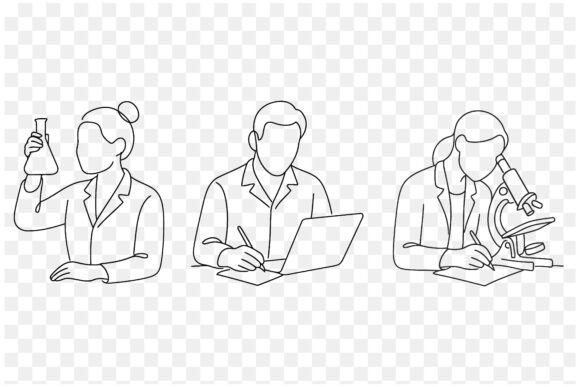
Elevate Your Visual Content with Minimalist Line Art of Teamwork
In an era where digital attention spans are measured in seconds, the way you communicate ideas matters as much as the ideas themselves. Visuals have become the universal shorthand for complex concepts, and few styles are as effective at stripping away distraction as minimalist line art. Line Art of Teamwork offers a clean, professional way to represent collaboration, creativity, and human connection without the noise of color, excessive detail, or facial expressions. This vector-ready, scalable illustration style is rapidly becoming a go-to asset for businesses, content creators, and designers who need to convey teamwork with clarity and style.
But what makes minimalist line art of teamwork so compelling, and how can you integrate it into your own projects? The answer lies not just in its aesthetic appeal, but in its profound practicality. Whether you are building a presentation deck, designing an infographic, or crafting a brand identity for a startup, these faceless outlines of brainstorming sessions, laptop work, and casual collaboration fit naturally into a wide range of professional contexts.
Why Minimalist Line Art Resonates in Modern Workflows
Modern workplaces are defined by hybrid teams, fast-paced decision-making, and an overwhelming amount of information. In such an environment, visual clutter is a liability. Minimalist line art strips away everything that isn't essential, leaving behind only the core action or interaction. A single black line depicting two people exchanging a coffee cup or leaning over a tablet communicates cooperation instantly, without requiring the viewer to process background details, skin tones, or clothing textures.
This simplicity aligns directly with the principles of cognitive fluency—the idea that people process clear, simple information more easily and find it more trustworthy. When you use Line Art of Teamwork in your materials, you are not just decorating a slide; you are engineering a faster route to understanding. The faceless nature of the characters also means that viewers can project themselves into the scene, making the imagery feel inclusive and universal. No one is excluded by appearance, age, or gender. Everyone can see themselves in the story you are telling.
Another reason for the popularity of this style is its compatibility with modern design systems. Minimalist line art converts cleanly into vector formats like SVG, EPS, and AI, meaning you can resize it from a tiny icon on a mobile screen to a large banner on a conference wall without any loss of quality. This scalability is essential for teams that need a consistent visual language across different media, from websites and social media posts to printed reports and pitch decks.
Key Characteristics of Effective Teamwork Illustrations
Not all line art is created equal. The most effective Line Art of Teamwork illustrations share several defining qualities that make them suitable for business and creative use.
- Faceless but expressive: The absence of facial features might seem limiting, but skilled artists use posture, hand gestures, and the angle of the head to convey emotion and intent. A character leaning forward, holding a sticky note, clearly suggests active contribution. Someone standing with a tablet and a relaxed posture communicates a more observational or supportive role.
- Action-focused compositions: Good teamwork line art centers on a shared activity. It might show two people looking at a laptop screen, a group gathered around a whiteboard, or a person handing a notebook to a colleague. The action itself tells the story, and the viewer's eye is guided naturally to the point of collaboration.
- Clean, consistent line weights: Professional sets maintain a uniform line thickness throughout the collection. This consistency is crucial when you use multiple illustrations in a single presentation or infographic, as it creates a cohesive visual rhythm rather than a jarring mix of styles.
- Spacious composition: Minimalist illustrations leave plenty of white space around the characters. This breathing room allows you to add text, data points, or other design elements without the image feeling crowded or overwhelming.
- Scalable and editable: Because these are vector-based, you can easily change the color of the lines, adjust the stroke weight, or even add a single accent color to highlight a specific element, all without needing to rebuild the artwork from scratch.
Practical Applications Across Industries and Projects
The versatility of minimalist line art of teamwork means it fits naturally into an array of professional scenarios. Here are some of the most effective ways to incorporate it into your work.
Business Presentations and Pitch Decks
In a presentation, every slide should either inform or persuade. Decorative images that lack direct relevance can distract or confuse your audience. Line Art of Teamwork illustrations serve as visual metaphors that reinforce your key messages. For example, if you are discussing your company's collaborative culture, a simple illustration of team members brainstorming around a table immediately communicates that value without a single word. If you are presenting a new product, an image of people working on laptops and tablets suggests a tech-forward, user-focused development process.
Because the illustrations are clean and monochrome, they work beautifully on both light and dark slides. You can invert the colors, change the line to white on a dark background, or keep it black for a classic look. The minimal aesthetic also pairs well with modern typography and data visualization, allowing your content to remain the star of the show while the visuals provide subtle, professional support.
Infographics and Educational Content
Infographics rely on the seamless integration of text, data, and imagery. Minimalist line art excels in this space because it can be woven into the flow of information without creating visual bottlenecks. A step-by-step infographic about the creative process, for instance, might use a sequence of line art illustrations: a character writing a sticky note for ideation, two people discussing a concept for feedback, and a single figure at a laptop for execution.
The faceless, neutral style ensures that the illustrations do not accidentally stereotype roles or people, which is especially important in educational or corporate training materials that aim to be inclusive. You can also use the illustrations as icons to label sections or as visual anchors that break up dense text, improving readability and retention.
Startup Branding and Innovation Content
Startups and innovation-focused brands often need visuals that feel modern, agile, and human-centered. The raw, sketch-like quality of line art brings a handcrafted, approachable feel to digital branding. You can use Line Art of Teamwork illustrations on your website's "About Us" page to show how your team collaborates, in your newsletter headers to introduce team updates, or as part of your social media strategy to highlight company culture.
Because the illustrations are vector-based, you can customize them to match your brand colors. A single accent color—perhaps your brand's signature blue or green—can be applied to specific elements like a laptop screen or a sticky note, creating a distinctive visual identity that still leans on the power of minimalism.
Productivity and Teamwork Blogs
Content creators and bloggers focusing on productivity, collaboration, or workplace culture will find these illustrations invaluable. An article about improving team communication becomes more engaging when accompanied by a line art image of two people sharing feedback. A piece on remote work productivity gains depth with an illustration of a character working on a laptop while holding a coffee cup.
These visuals break up long passages of text, reduce bounce rates, and make your content more shareable on social media platforms. Since the illustrations are clean and high-contrast, they look great even when displayed as small thumbnails or in social media feeds where quick recognition is critical.
Factors to Consider Before Adopting Line Art of Teamwork
While minimalist line art offers many advantages, it is worth considering a few practical factors before you fully integrate it into your design toolkit.
- Consistency across your brand: If your brand currently uses highly detailed, colorful, or photographic imagery, introducing a set of minimalist line art illustrations may feel disjointed unless you use them consistently. Consider rolling them out across a specific campaign, section of your website, or product line rather than mixing styles haphazardly.
- Audience expectations: Minimalist art communicates modernity, clarity, and efficiency. However, some audiences—particularly in more traditional industries—may perceive it as too simplistic or lacking in warmth. Test your visuals with a sample of your target audience to ensure they resonate as intended.
- Vector conversion quality: Not all line art is created with proper vector structure. Ensure that any set you purchase or download is fully scalable and editable. Look for files in SVG, AI, or EPS formats, and check that the line paths are clean and not overly complex, which can cause rendering issues in some software.
- Licensing and usage rights: Whether you are buying a set from a marketplace or commissioning custom work, clarify the licensing terms. Some sets are free for commercial use with attribution, while others require a one-time purchase or subscription. Understanding these terms early prevents legal headaches later.
- Customization needs: If you anticipate needing to modify the illustrations—changing a pose, adding an object, or adjusting the composition—make sure you have the software skills or access to a designer who can work with vector files. A well-organized set with layered files makes customization much easier.
Observing the Impact on Communication
One of the most interesting observations about using Line Art of Teamwork is how it changes the way people talk about your content. Viewers often describe minimalist visuals as "clean," "modern," and "easy to understand." The absence of distracting details allows them to focus on the behavior being depicted, which is particularly valuable when you are trying to promote new ways of working, such as agile methodology, design thinking, or cross-functional collaboration.
Another benefit is the emotional neutrality of the art style. Because the characters do not smile or frown, the illustrations do not impose a specific emotional tone on the content. This neutrality is an advantage when your message needs to be serious, analytical, or aspirational. The same set of illustrations can serve a data-heavy quarterly report and a creative brainstorming guide, simply by adjusting the surrounding text and data.
Moreover, the trend toward minimalism in digital design shows no signs of slowing down. As users become more accustomed to clean interfaces and straightforward communication, the demand for visual styles that support that clarity will continue to grow. Investing in a high-quality set of minimalist line art illustrations now positions your brand to stay relevant as design standards evolve.
Recommendations for Getting Started
If you are ready to incorporate minimalist line art into your workflow, start by identifying the most common collaboration scenarios you want to depict: brainstorming with sticky notes, laptop-based work, tablet use, feedback exchanges, and casual greetings or coffee breaks. These core activities cover the vast majority of workplace interactions and will give you a versatile library from which to draw.
Next, choose a set that offers consistent line weights and a cohesive visual style. If you are working with a designer, share examples of the aesthetic you are aiming for—simple, clean, and professional. If you are purchasing a pre-made set, look for one that includes multiple variations of each activity, so you have options when composing layouts.
Finally, integrate the illustrations gradually. Start with a single presentation or blog post, and observe how your audience responds. You may find that the clarity and elegance of minimalist line art of teamwork becomes one of your most effective communication tools, helping you tell better stories about how people work together.