Evaluating the Rounded Four Step Infographic: A Practical Design Resource for Professionals
Communicating a process or sequential idea clearly often depends on the visual framework you choose. For marketers, educators, and business professionals, the difference between a message that resonates and one that gets overlooked frequently comes down to clarity and aesthetic quality. The Rounded Four Step Infographic presents itself as a direct solution to this challenge: a vector-based template designed to structure information into four digestible phases. But does it deliver on its promise of flexibility, quality, and ease of use? This evaluation looks closely at what this resource offers, who it serves best, and where it might fall short.
Anatomy of the Rounded Four Step Infographic Template
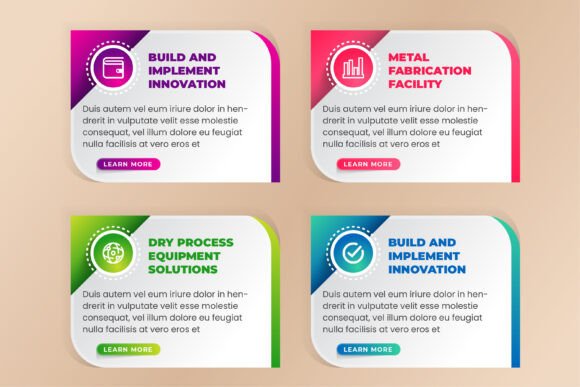
This resource is a vector illustration template built around a specific layout. It uses a four-step rounded rectangle structure set against a grey and white gradient background. The description highlights a combined triangle element, iconography, and editable text fields. While that summary covers the basics, the real value lies in the execution and the supporting file formats.
The template is delivered in four primary formats: Ai (Adobe Illustrator), EPS (Encapsulated PostScript), JPG (high-resolution preview), and SVG (Scalable Vector Graphics). Each format serves a distinct purpose. For professional designers working in Adobe's ecosystem, the Ai file offers full access to layers, swatches, and typography. The EPS file provides backward compatibility and versatility across different vector editors. The SVG format is particularly valuable for web designers and developers who need to embed the graphic directly into a responsive interface without sacrificing resolution. The inclusion of a JPG at 300 DPI ensures that even users without vector editing software can utilize the design for print or digital mockups immediately.
The design itself follows a clean, modern aesthetic. Rounded rectangles soften the overall look, making the infographic feel approachable rather than rigid. The grey and white gradient background is neutral and professional, acting as a blank canvas that does not compete with the content placed within it. The "combined triangle element" likely serves as a connective visual cue, guiding the viewer's eye from one step to the next in a logical sequence.
Core Strengths: Usability, Organization, and Flexibility
What makes this template worth considering for your next project comes down to several key factors that directly impact workflow and output quality.
Editable and Well-Organized Components
The product description emphasizes that all text, shapes, and colors are editable, and the file is well organized. This might sound standard, but in practice, the difference between a helpful template and a frustrating one often lies in how the layers are structured. A well-organized Ai or EPS file uses clearly named layers, logical groupings, and locked guides. This allows you to swap out the included icons, adjust the color palette to match your brand guidelines, or rewrite the text without accidentally moving a background element. For a busy marketing professional or a freelancer working against a tight deadline, this level of organization can save significant time and reduce errors.
Resolution and Scalability
Because the core assets are 100% vector, scaling is not a limitation. You can resize this infographic for a billboard, a brochure, or a social media card without any loss of quality. The 300 DPI JPG preview is a practical addition for quick client approvals or for users who need a ready-to-use raster file for presentations where vector editing is not available. This combination of vector scalability and high-resolution raster output provides a safety net for various production workflows.
Format Inclusivity
Not every template creator provides an SVG file. Its inclusion here is a notable advantage for digital content creators. SVG files are lightweight, infinitely scalable in the browser, and can be styled or animated with code. If you are publishing content online, using an SVG version of this infographic will ensure it looks crisp on retina displays and loads quickly, which is a solid consideration for performance-oriented web publishing.
Real-World Use Cases and Performance
This infographic is inherently structured for exactly four steps. This makes it an excellent fit for specific types of content where a four-part framework is natural. For example:
- Marketing Strategy: Presenting the phases of a campaign (Awareness, Consideration, Conversion, Retention).
- Business Processes: Outlining a quality assurance cycle (Plan, Do, Check, Act).
- Educational Content: Breaking down a historical timeline or a scientific method into four key stages.
- Product Launches: Showing the progression from concept to development to launch to evaluation.
In each of these scenarios, the template provides a ready-made structure. You are not starting from a blank canvas. Instead, you are filling in a professionally designed framework. This can accelerate content production significantly, especially for entrepreneurs or small business owners who may not have dedicated design teams.
Performance-wise, the clean aesthetic translates well across media. The grey and white gradient provides a sophisticated backdrop that works in corporate environments without feeling sterile. However, the true test of a template is how easily it can be adapted to a specific brand identity. The editable colors allow you to replace the grey tones with your brand's primary palette, but the overall gradient style remains. If your brand uses flat design or specific textured backgrounds, you will need to invest time in customizing the core visual style beyond simple color swaps.
Potential Limitations and Practical Considerations
No resource is perfect for every situation, and an honest evaluation must address the constraints of this infographic template.
The Specificity of the Design
The "combined triangle element" and the rounded rectangle layout are distinctive design choices. While they create a cohesive look, they also stamp a particular visual signature on your content. If you require a minimalist, sans-icon layout or a more organic, free-flowing design, this template may feel too structured. The design is professional but leans toward a corporate or business aesthetic. For creative agencies or more artistic projects, it might feel restrictive.
The Four-Step Constraint
This template is explicitly designed for four steps. If your process has three steps or five, you will need to either modify the template significantly or choose a different resource. Modifying the layout to accommodate fewer or more steps is possible in Adobe Illustrator, but it requires design skills to maintain the visual balance and consistency of the original design. For users who need a quick solution for a non-four-step process, this template may not be the right fit out of the box.
Dependence on Vector Editing Skills
While the template is editable, accessing its full potential requires knowledge of vector editing software like Adobe Illustrator or Affinity Designer (for the Ai/EPS files). The SVG file can be edited in a code editor or web design tool, but customizing colors and icons in SVG requires a different skillset. Users who are not comfortable with these tools may find the JPG file the easiest to use, but it is not editable for text or layout changes. This makes the template most valuable for users who have at least intermediate skills in graphic design software.
Who Benefits Most from This Resource?
Based on its strengths and limitations, this template is best suited for a specific audience segment within the 20–50 age range of professionals.
- Marketing Managers and Content Creators: Those who need to produce consistent, professional visual content regularly and have access to design tools or a design team. The template serves as an excellent starting point for quarterly reports, strategy decks, or blog headers.
- Freelance Designers: Designers who work with multiple clients can use this template to quickly produce infographics for corporate clients. The well-organized files make it easy to hand off the project to the client for minor edits later.
- Entrepreneurs and Small Business Owners: If you manage your own content and have basic design skills, this template offers a cost-effective way to create high-quality graphics without hiring a designer for every single asset.
- Educators and Trainers: For creating clear, structured learning materials, the four-step layout is ideal for presenting models, cycles, or sequential instructions.
It is less suited for users who need highly customized, abstract illustrations from scratch, or for those who strictly require a free-form, editorial design aesthetic. It is also not ideal for complete beginners who lack the skills to edit vector files, as the JPG alone does not offer the full utility of the template.
Assessing Long-Term Value and Consistency
When evaluating a graphic resource, it is fair to ask whether it is a one-time use asset or an enduring addition to your toolkit. Because this template is well constructed and delivered in multiple high-quality formats, it holds up well over time. The vector nature means it will not degrade in quality as software updates or as you scale it for different uses. The neutral color scheme (grey and white) is less likely to look dated compared to heavily stylized trends.
However, the long-term value depends on your need for four-step process graphics. If you frequently publish content that fits this mold, the template will pay for itself quickly in time saved. If you need it for just one project, it is still a cost-effective solution compared to commissioning a custom illustration, which would likely cost significantly more and require multiple rounds of revisions.
Consistency is another factor. Using this template across a series of blog posts or presentations can create a cohesive visual language. Readers and viewers will come to recognize the format, which can aid in information retention and brand recognition. Just be aware that using the same template repeatedly without customization can make your content feel uniform, so consider varying icons, colors, and text treatments to keep it fresh.
Final Practical Recommendations
Before purchasing the Rounded Four Step Infographic, there are a few practical steps you can take to ensure it aligns with your project needs. First, review the included icons and visual elements carefully. The template includes specific icons that may not perfectly match your industry or topic. You will likely need to replace them with your own, so ensure you have access to a compatible icon library or the skills to create custom icons.
Second, test the file in your specific workflow. If you primarily use Affinity Designer or a web-based design tool, download the EPS or SVG file first to confirm compatibility. While the formats are standard, complex vector files can sometimes behave differently across various software platforms. The 300 DPI JPG serves as a reliable fallback, but confirming the workflow beforehand prevents last-minute technical issues.
Finally, check the license terms provided by the seller, noory.shopper, to understand how the graphic can be used, particularly if you are creating a product for resale or for a large corporate campaign. Most standard licenses cover personal and commercial use, but attribution requirements or restrictions on redistribution can vary.
For professionals who need a clean, reliable, and flexible framework for presenting four-step processes, this vector illustration offers a practical foundation. It balances professional aesthetics with functional usability, provided you have the skills to unlock its full potential. While it is not a solution for every visual communication need, it serves its intended purpose with solid execution and thoughtful format support.